


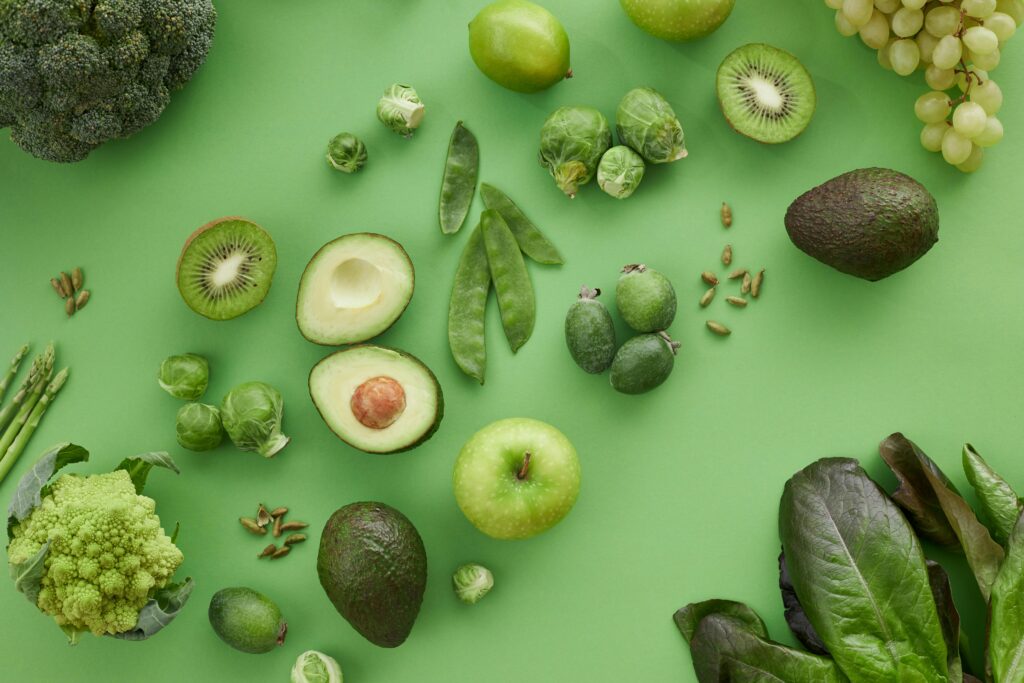
Your gut does a lot more than digest food—it plays a key role in immunity, nutrient absorption, hormone balance, and even mood through the gut-brain axis. When your gut is out of balance, you might notice bloating, irregular digestion, low energy, or skin flare-ups.
The good news? You don’t need extreme cleanses or detoxes. A “gut reset” is really about supporting your microbiome with consistent, evidence-based habits.
1. Focus on Fiber First
Fiber is one of the most powerful tools for gut health. It feeds beneficial bacteria and supports regular digestion.
Aim for a mix of:
- Soluble fiber (oats, beans, lentils, chia seeds)
- Insoluble fiber (whole grains, vegetables, nuts)
As a baseline, the Dietary Guidelines for Americans recommend about 22–34 grams of fiber per day, but most people fall short.
Dietitian tip: Increase fiber gradually to avoid bloating and pair it with fluids.
2. Eat More Plant Diversity
Research shows that eating a wide variety of plant foods supports a more diverse—and resilient—gut microbiome.
Try to include:
- Different colored fruits and vegetables
- Whole grains
- Legumes, nuts, and seeds
Goal: Aim for ~20–30 different plant foods per week.
3. Add Fermented Foods
Fermented foods introduce beneficial bacteria and support microbial balance.
Examples include:
- Yogurt with live cultures
- Kefir
- Sauerkraut
- Kimchi
- Kombucha
You don’t need large amounts—small, regular servings can make a difference.
4. Don’t Forget Prebiotics
Prebiotics are fibers that specifically feed good gut bacteria.
Top sources:
- Garlic, onions, leeks
- Asparagus
- Bananas (especially slightly green)
- Oats and barley
Think of it this way: probiotics are the bacteria, prebiotics are the fuel.
5. Cut Back on Ultra-Processed Foods
Highly processed foods, excess added sugars, and artificial sweeteners may negatively impact gut bacteria.
Instead, focus on:
- Whole, minimally processed foods
- Balanced meals with protein, fiber, and healthy fats
This doesn’t mean perfection—it’s about your overall pattern.
6. Stay Hydrated
Water supports digestion and helps fiber do its job.
A simple guideline:
- Aim for ~8–10 cups daily, more if you’re active
Hydration also helps prevent constipation and supports nutrient absorption.
7. Manage Stress
Chronic stress can disrupt the gut through the gut-brain axis, a two-way communication system between your brain and digestive tract.
Try:
- Deep breathing
- Walking outside
- Mindfulness or meditation
Even small daily habits can support both mental and gut health.
8. Prioritize Sleep
Poor sleep can negatively affect your microbiome and digestion.
Aim for:
- 7–9 hours of quality sleep per night
- Consistent sleep and wake times
9. Be Mindful with Antibiotics and Supplements
Antibiotics can be necessary, but they also disrupt gut bacteria. If you’ve recently taken them, focusing on fiber-rich and fermented foods can help support recovery. While probiotics can be helpful in some situations, they aren’t always necessary for everyone. A strong dietary foundation should come first.
10. Move Your Body Regularly
Physical activity supports healthy digestion and may positively influence the gut microbiome.
Aim for consistent movement like walking, strength training, or yoga.
11. Give It Time
There’s no overnight reset when it comes to gut health. Improvements happen gradually as your daily habits support a healthier microbiome. Within a few weeks of consistent changes, many people notice better digestion, improved energy, and less bloating.
Resetting your gut naturally isn’t about extremes—it’s about building habits that support your body long term. By focusing on fiber, plant diversity, hydration, and lifestyle factors like stress and sleep, you can create a strong foundation for better gut health that lasts.
