


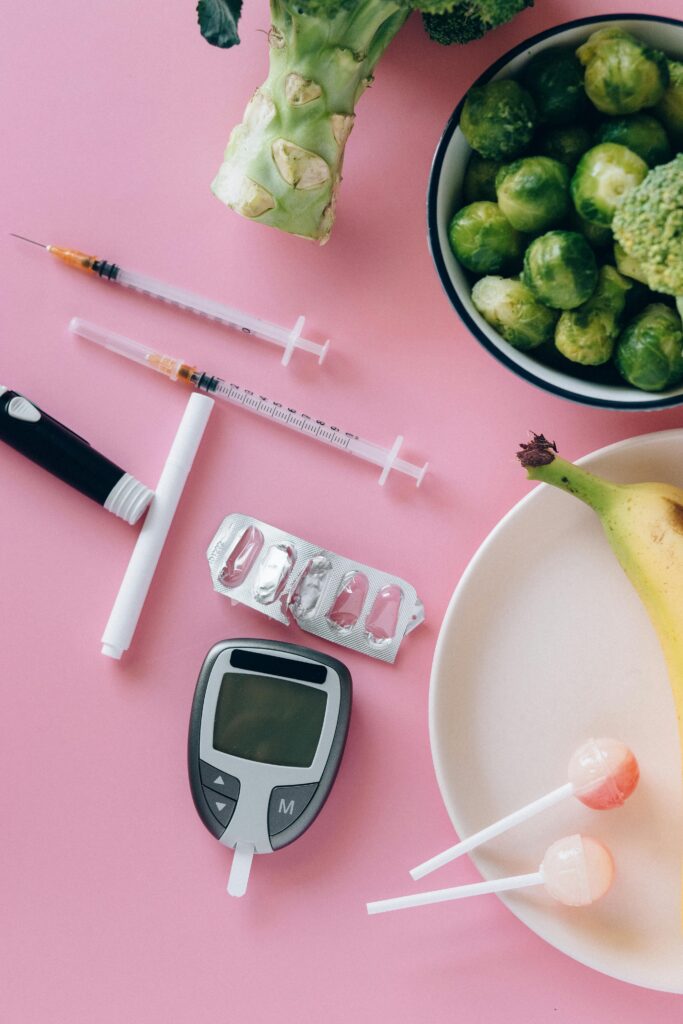
GLP-1 medications have quickly become one of the most talked-about tools in weight management. If you’ve heard about them—or are considering them—you’re not alone. As a registered dietitian, my goal is to help you understand what they are, how they work, and how to use them in a way that supports long-term health—not just short-term weight loss.
What Are GLP-1 Medications?
GLP-1 stands for glucagon-like peptide-1, a hormone your body naturally produces. It plays a key role in regulating blood sugar, appetite, and digestion.
GLP-1 medications (like Ozempic, Wegovy, and Mounjaro) mimic this hormone to:
- Slow down digestion
- Increase feelings of fullness
- Reduce appetite and cravings
- Help regulate blood sugar
The result? Many people naturally eat less—leading to weight loss over time.
How Effective Are They for Weight Loss?
Clinical research shows that GLP-1 medications can lead to meaningful weight loss, often in the range of 10–20% of body weight when combined with lifestyle changes.
But here’s the key: they are not a standalone solution. The most successful outcomes happen when these medications are paired with nutrition, movement, sleep, and behavior changes.
What a Dietitian Wants You to Know First
While these medications can be highly effective, they also change how (and how much) you eat. That means your nutrition strategy matters more than ever.
Common challenges I see:
- Eating too little protein
- Skipping meals due to low appetite
- Not getting enough fiber
- Fatigue from under-fueling
Without a plan, this can lead to muscle loss, nutrient deficiencies, and slower metabolism over time.
How to Eat While on a GLP-1
Think of this as a “quality over quantity” approach. Since you may be eating less, every bite counts.
Focus on:
- Protein first: Helps preserve lean muscle and keeps you full
- Fiber-rich foods: Vegetables, beans, whole grains for gut health and satiety
- Healthy fats: Support hormones and nutrient absorption
- Hydration: These medications can reduce thirst cues
A simple framework:
- Build meals around protein + fiber
- Eat small, balanced meals consistently
- Avoid relying on ultra-processed, low-nutrient foods
Side Effects and How to Manage Them
Some of the most common side effects include:
- Nausea
- Constipation
- Bloating
- Early fullness
Nutrition can help:
- Eat slowly and stop before you feel overly full
- Choose smaller, more frequent meals
- Prioritize easy-to-digest foods when symptoms flare
- Stay hydrated and include fiber gradually
Who Are GLP-1s For?
GLP-1 medications may be appropriate for individuals with:
- A BMI in the overweight or obesity range
- Weight-related health conditions (like type 2 diabetes or insulin resistance)
- Difficulty achieving sustainable weight loss through lifestyle alone
They are not intended for casual or cosmetic weight loss, and should always be used under medical supervision.
The Biggest Misconception
One of the biggest myths is that GLP-1 medications are a “quick fix.”
In reality, they’re a tool—not a cure. If healthy habits aren’t built alongside them, weight regain is common after stopping the medication.
The Bottom Line
GLP-1 medications can be a powerful option for weight management—but they work best when paired with a strong foundation of nutrition and lifestyle habits.
As a dietitian, my approach is simple:
- Support your body with enough nutrients
- Preserve muscle and metabolism
- Build habits that last beyond the medication
Because long-term success isn’t just about losing weight—it’s about keeping it off in a way that supports your overall health.
