


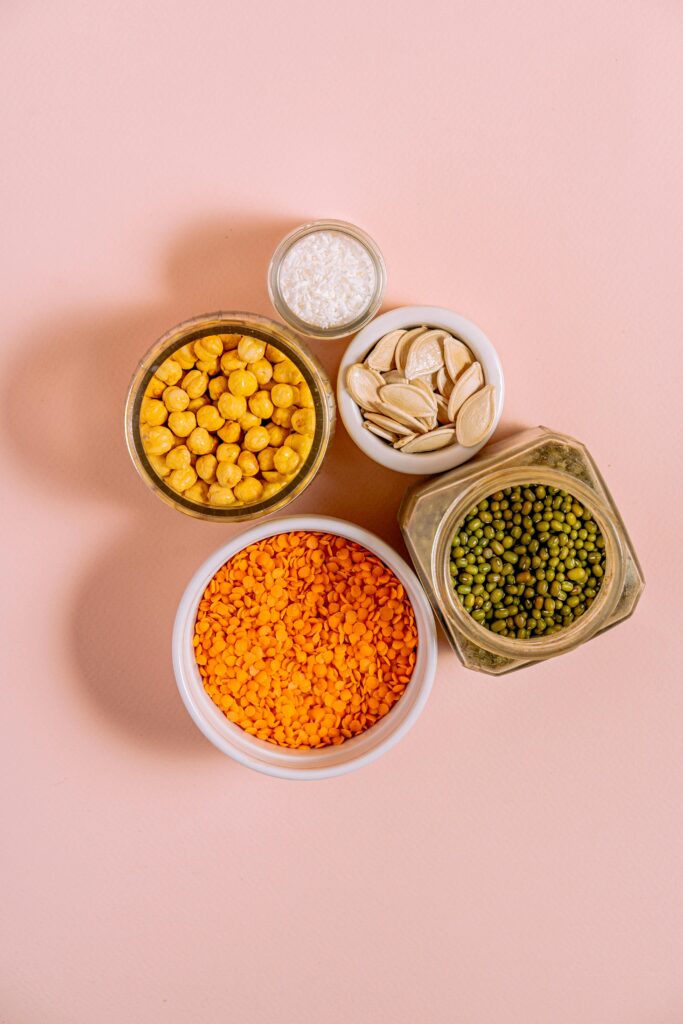
When most people think about healthy eating, they focus on eating more fruits and vegetables. But research suggests that variety matters too — especially when it comes to gut health.
In recent years, scientists have become increasingly interested in the connection between plant diversity and the gut microbiome, the trillions of microorganisms that live in the digestive tract and help support digestion, immune function, metabolism, and overall health.
The takeaway? Eating a wide variety of plant foods may help support a healthier, more diverse gut microbiome.
What Is Plant Diversity?
Plant diversity simply means eating a wide range of plant foods regularly rather than eating the same few foods every day.
Plant foods include more than just fruits and vegetables. They also include:
- Whole grains
- Beans and lentils
- Nuts and seeds
- Herbs and spices
- Soy foods
- Legumes
Each type of plant contains unique fibers, antioxidants, and beneficial compounds that can help nourish different types of beneficial gut bacteria.
Why Gut Microbiome Diversity Matters
A healthy gut microbiome is generally considered one that contains a diverse range of beneficial bacteria.
Research suggests greater microbiome diversity may be associated with benefits related to:
- Digestive health
- Immune function
- Metabolic health
- Inflammation regulation
- Overall wellness
Different gut bacteria thrive on different nutrients, which is why eating a variety of plant foods may help support a more balanced microbiome.
The “30 Plants Per Week” Goal
One concept that has gained attention in gut health research is the idea of aiming for around 30 different plant foods per week.
This idea comes from research suggesting people who consumed a wider variety of plant foods tended to have more diverse gut microbiomes compared to those eating fewer plant varieties.
Importantly, this is not about perfection or eating huge quantities of food. Small amounts count too.
For example:
- Oats
- Blueberries
- Spinach
- Almonds
- Black beans
- Brown rice
- Avocado
- Cinnamon
would each count as individual plant foods.
Herbs, spices, nuts, seeds, legumes, and whole grains all contribute toward plant diversity.
Fiber Feeds Beneficial Gut Bacteria
Many plant foods are rich in fiber, which acts as fuel for beneficial gut bacteria.
When gut bacteria ferment certain fibers, they produce compounds called short-chain fatty acids that help support gut and overall health.
Fiber-rich foods include:
- Fruits
- Vegetables
- Beans and lentils
- Whole grains
- Nuts and seeds
Most adults do not get enough fiber daily, despite its important role in digestive and metabolic health.
Color Variety Matters Too
Different colors in plant foods often represent different antioxidants and phytonutrients.
For example:
- Orange foods like sweet potatoes provide beta-carotene
- Purple foods like berries provide anthocyanins
- Green vegetables provide compounds like lutein and folate
Eating a variety of colorful foods may help support a wider range of beneficial compounds for both gut and overall health.
Easy Ways to Increase Plant Diversity
Improving plant diversity does not require becoming vegetarian or completely changing your diet overnight.
Small changes can make a meaningful difference over time.
Rotate Your Fruits and Vegetables
Instead of eating the same produce every week, try rotating options seasonally.
Examples:
- Berries
- Kiwi
- Apples
- Mango
- Broccoli
- Brussels sprouts
- Bell peppers
- Leafy greens
Add More Legumes
Beans, lentils, chickpeas, and edamame are excellent sources of both fiber and plant protein.
They can easily be added to:
- Soups
- Salads
- Grain bowls
- Pasta dishes
- Tacos
Include Nuts, Seeds, Herbs, and Spices
Even small amounts count toward plant diversity.
Try:
- Chia seeds
- Hemp seeds
- Walnuts
- Pumpkin seeds
- Basil
- Cilantro
- Cinnamon
- Turmeric
Choose Whole Grains More Often
Whole grains provide different fibers than fruits and vegetables.
Examples include:
- Oats
- Quinoa
- Brown rice
- Farro
- Barley
Don’t Forget Fermented Foods
Fermented foods may help support microbiome diversity as well.
Examples include:
- Yogurt with live cultures
- Kefir
- Kimchi
- Sauerkraut
- Miso
More Variety Doesn’t Have to Mean More Restriction
One of the best parts about focusing on plant diversity is that it shifts the conversation away from restriction and toward adding nourishing foods.
Instead of obsessing over eliminating foods, plant diversity encourages adding more variety, color, and nutrient-rich options to your plate.
The Bottom Line
Plant diversity may play an important role in supporting a healthy gut microbiome and overall wellness.
Eating a wide range of plant foods — including fruits, vegetables, legumes, whole grains, nuts, seeds, herbs, and spices — helps provide different fibers and beneficial compounds that nourish gut bacteria.
Rather than striving for perfection, focus on gradually adding more variety to your meals over time. Small changes can support gut health in a meaningful and sustainable way.
