


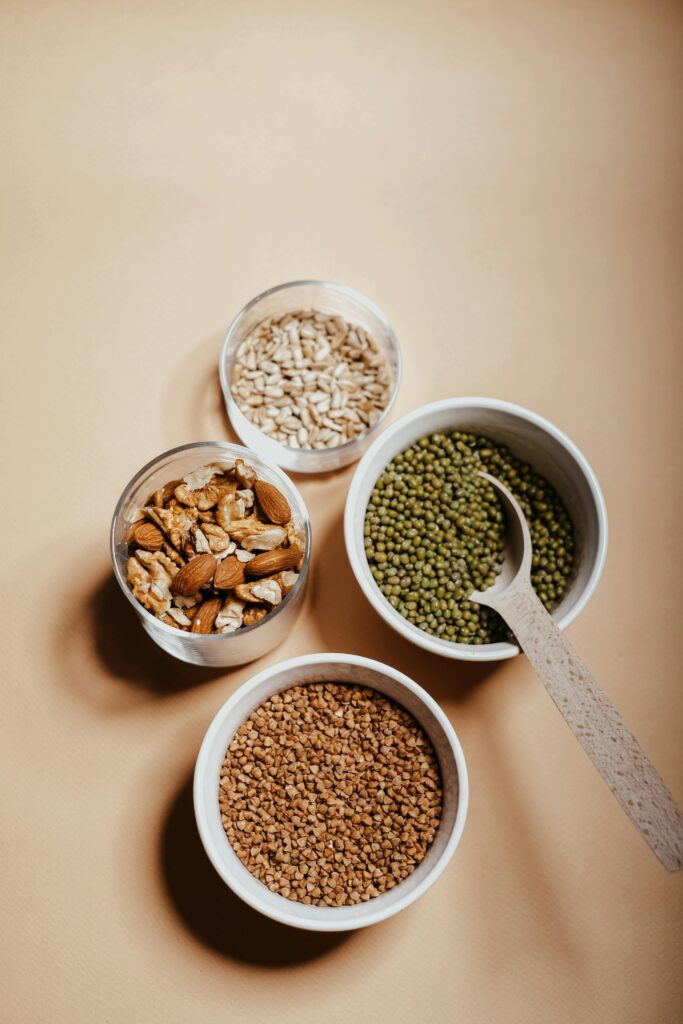
Protein is one of the most talked-about nutrients in nutrition — and for good reason. Protein helps support muscle maintenance, immune function, recovery, hormone production, and overall health.
But when it comes to plant-based eating, one topic that often causes confusion is “complete proteins.”
What exactly is a complete protein, and do you really need to combine foods at every meal to get enough? Here’s what the science says.
What Is Protein Made Of?
Proteins are made up of smaller building blocks called amino acids.
There are 20 amino acids total, and nine of them are considered “essential amino acids,” meaning the body cannot make them on its own and they must come from food.
A complete protein contains all nine essential amino acids in adequate amounts.
What Are Complete Proteins?
Complete proteins provide all essential amino acids the body needs.
Many animal-based foods are naturally complete proteins, including:
- Eggs
- Fish
- Poultry
- Meat
- Dairy products
However, several plant foods are complete proteins as well.
Plant-Based Complete Proteins
Plant-based complete protein sources include:
- Soy foods like tofu, tempeh, and edamame
- Quinoa
- Buckwheat
- Hemp seeds
- Chia seeds
- Pistachios
Soy foods in particular are considered high-quality proteins because they contain all essential amino acids while also providing additional nutrients like iron, potassium, and fiber.
Do You Need to Combine Proteins at Every Meal?
This is one of the biggest myths surrounding plant-based eating.
Years ago, people believed plant proteins had to be carefully combined at every meal — such as rice and beans — to create a “complete” protein.
We now know that the body maintains an amino acid pool throughout the day, meaning you do not need to combine complementary proteins perfectly at every single meal.
Eating a variety of plant foods throughout the day can help provide all essential amino acids over time.
What Are Complementary Proteins?
Some plant foods are lower in certain amino acids than others.
Complementary proteins are foods that provide different amino acids that work well together nutritionally.
Examples include:
- Rice and beans
- Hummus and whole grain pita
- Peanut butter on whole grain bread
- Lentils with quinoa
While these pairings can absolutely support balanced nutrition, there’s no need to stress about perfectly combining foods at every meal.
Protein Quality Isn’t Just About Amino Acids
Protein-rich foods often provide many other important nutrients as well.
For example:
- Beans and lentils provide fiber, iron, and antioxidants
- Nuts and seeds provide healthy fats and minerals
- Soy foods provide protein plus compounds called isoflavones
- Dairy foods provide calcium and vitamin D
This is why looking at the overall nutrient profile of foods matters more than focusing only on whether a protein is “complete.”
How Much Protein Do You Need?
Protein needs vary depending on factors like age, activity level, health status, and goals.
In general, many adults benefit from including a source of protein at meals and snacks throughout the day to help support:
- Satiety
- Muscle maintenance
- Blood sugar balance
- Recovery
- Overall wellness
Easy Ways to Add More Plant Protein
If you’re looking to eat more plant-based meals, here are simple ways to boost protein intake:
- Add edamame to salads or grain bowls
- Blend silken tofu into smoothies
- Use lentils in soups, tacos, or pasta sauces
- Snack on roasted chickpeas
- Add hemp or chia seeds to yogurt or oatmeal
- Swap meat for tempeh or tofu in stir-fries
- Include nuts or nut butter with snacks
Can You Build Muscle on a Plant-Based Diet?
Yes. Research suggests well-planned plant-based diets can support muscle growth and athletic performance when adequate protein and total calorie needs are met.
The key is focusing on:
- Total daily protein intake
- Variety of protein sources
- Adequate calorie intake
- Strength training and recovery
The Bottom Line
Complete proteins contain all nine essential amino acids the body needs.
While many animal foods are complete proteins, several plant foods — including soy, quinoa, hemp seeds, and chia seeds — are as well.
Most importantly, you do not need to combine proteins perfectly at every meal. Eating a variety of protein-rich foods throughout the day can help support overall nutrition and provide all essential amino acids over time.
Rather than focusing on perfection, aim to include a balance of protein-rich foods, fiber, healthy fats, and colorful plant foods to support overall health and wellness.
