


Iron is one of the most common nutrients people worry about when eating more plant-based—but the good news is, you can absolutely meet your needs with the right approach. As a dietitian, I always emphasize that it’s less about eliminating foods and more about building balanced meals that support absorption and consistency over time.
Here’s what you need to know.
Why Iron Matters
Iron plays a critical role in the body. It helps carry oxygen in your blood, supports energy levels, and is essential for brain function and overall health.
Low iron levels can lead to symptoms like fatigue, weakness, headaches, and difficulty concentrating—so it’s an important nutrient to prioritize.
Plant-Based vs. Animal-Based Iron
There are two types of iron found in food:
- Heme iron, found in animal products, which is more easily absorbed
- Non-heme iron, found in plant foods, which is slightly less efficiently absorbed
If you’re eating plant-based, you’re getting non-heme iron—but that doesn’t mean it’s insufficient. It just means you need to be a bit more intentional about how you pair and include foods.
Best Plant-Based Sources of Iron
You can find iron in a wide range of plant foods, including:
- Lentils and beans (chickpeas, black beans, kidney beans)
- Tofu and tempeh
- Edamame
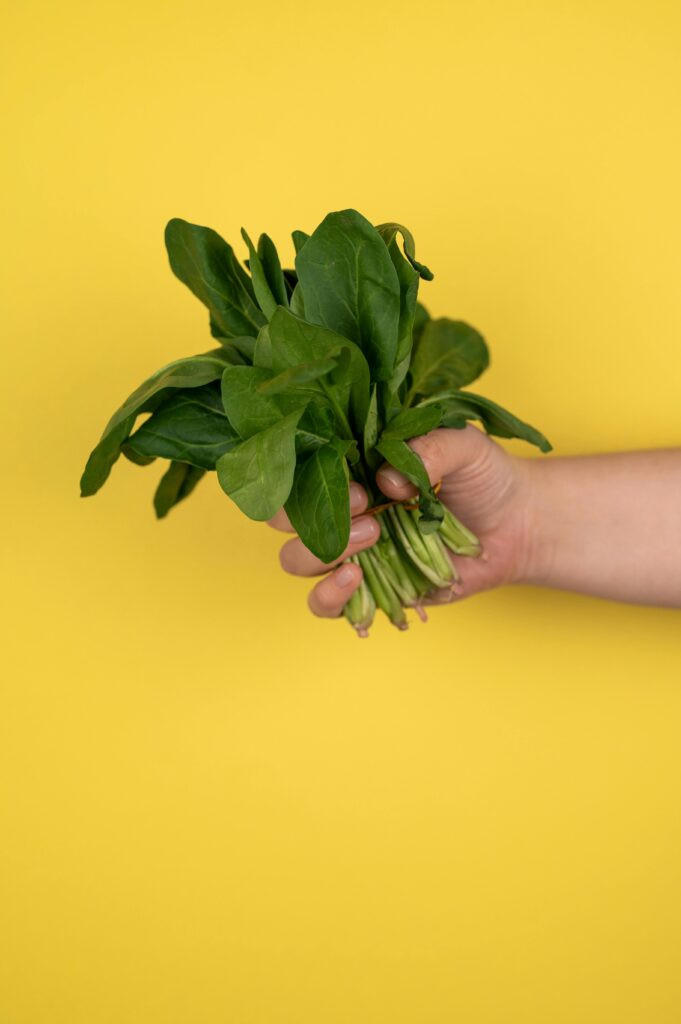
- Spinach and other leafy greens
- Pumpkin seeds, hemp seeds, and sesame seeds
- Quinoa and fortified cereals
Including a variety of these foods regularly can help you meet your daily needs.
How to Boost Iron Absorption
This is where strategy matters most. A few simple habits can make a big difference:
Pair with Vitamin C
Vitamin C significantly enhances the absorption of non-heme iron.
Try combinations like:
- Lentils with tomatoes or bell peppers
- Spinach salad with citrus dressing
- Tofu stir-fry with broccoli
Be Mindful of Timing
Certain compounds can inhibit iron absorption when consumed at the same time, including:
- Calcium (dairy or supplements)
- Coffee and tea (due to polyphenols)
You don’t need to avoid these—just try to separate them from iron-rich meals by about 1–2 hours when possible.
Cook Smart
Cooking methods like soaking, sprouting, or fermenting beans and grains can help improve mineral absorption by reducing compounds that bind iron.
How Much Iron Do You Need?
Iron needs vary based on age, sex, and life stage. In general:
- Women ages 19–50: about 18 mg per day
- Men ages 19+: about 8 mg per day
Because plant-based iron is less efficiently absorbed, some experts suggest that those eating fully plant-based may benefit from aiming slightly higher.
Do You Need a Supplement?
Not necessarily. Many people can meet their needs through food alone.
However, if you’re experiencing symptoms of low iron, have heavy menstrual cycles, or are pregnant, it’s worth checking your levels with your healthcare provider before supplementing.
What a Balanced Plant-Based Iron-Rich Meal Looks Like
Think simple and practical:
- A grain (quinoa or brown rice)
- A protein (lentils or tofu)
- A vegetable (spinach, broccoli, or peppers)
- A source of vitamin C (citrus, tomatoes, or strawberries)
This combination supports both intake and absorption—without overcomplicating things.
The Bottom Line
Getting enough iron on a plant-based diet is absolutely doable. The key is consistency, variety, and a few strategic pairings to support absorption.
You don’t need to be perfect—just intentional. When you focus on building balanced meals with iron-rich foods and vitamin C, you can support healthy iron levels while enjoying a flexible, mostly plant-based way of eating.
