


Protein is one of the most important nutrients for overall health. It helps build and repair tissues, supports muscle health, plays a role in hormone production, and can help keep you full and satisfied after meals. But when it comes to choosing protein sources, many people wonder whether plant protein or animal protein is “better.”
The truth is that both can play a role in a balanced diet, and each offers unique nutritional benefits.
What Is Protein?
Protein is made up of amino acids, often called the building blocks of life. There are 20 amino acids total, including 9 essential amino acids that the body cannot produce on its own and must get from food.
Foods that contain all 9 essential amino acids are considered “complete proteins.”
Animal Protein Sources
Animal proteins naturally contain all essential amino acids, making them complete proteins.
Common animal protein sources include:
- Chicken
- Turkey
- Beef
- Fish and seafood
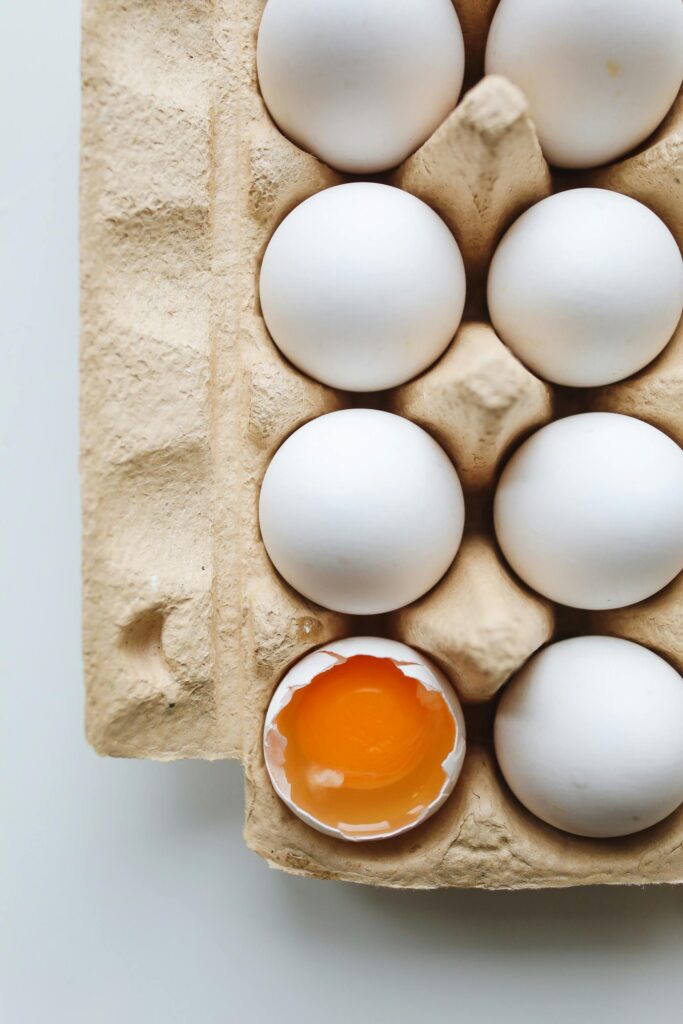
- Eggs
- Greek yogurt
- Cottage cheese
- Milk
Animal proteins are also rich in nutrients like:
- Vitamin B12
- Iron
- Zinc
- Omega-3 fatty acids (especially fatty fish)
- Calcium (from dairy)
Because animal proteins are highly digestible and rich in leucine — an amino acid important for muscle protein synthesis — they are often considered especially effective for supporting muscle growth and recovery.
Plant Protein Sources
Plant proteins come from foods like:
- Beans
- Lentils
- Chickpeas
- Tofu
- Tempeh
- Edamame
- Nuts and seeds
- Quinoa
- Soy milk
While some plant foods contain lower amounts of certain essential amino acids, eating a variety of plant proteins throughout the day can help provide all the amino acids your body needs.
Some plant proteins are complete proteins, including:
- Soy foods
- Quinoa
- Hemp seeds
- Chia seeds
Plant proteins also offer additional nutrients many Americans underconsume, including:
- Fiber
- Antioxidants
- Phytonutrients
- Magnesium
- Potassium
One major advantage of plant protein foods is that they often support gut health thanks to their fiber content, which can help nourish beneficial gut bacteria.
Is One Better Than the Other?
Not necessarily. Both plant and animal proteins can support health, and the best choice often depends on personal preferences, dietary patterns, health goals, and lifestyle.
Animal protein may be helpful for:
- Muscle building and recovery
- Older adults with higher protein needs
- Providing nutrients like B12 and highly absorbable iron
Plant protein may be beneficial for:
- Increasing fiber intake
- Supporting heart health
- Adding more variety and plant diversity to meals
- Supporting gut health
Research consistently shows that diets including a variety of nutrient-dense protein sources — especially minimally processed foods — are associated with better long-term health outcomes.
Do You Need to Combine Plant Proteins?
Years ago, people believed plant proteins needed to be combined at every meal to form a complete protein. We now know that isn’t necessary.
As long as you eat a variety of plant protein sources throughout the day, your body can pull from its amino acid pool to meet its needs.
That said, pairing foods like beans and rice, hummus and pita, or peanut butter on whole grain bread can still create balanced, satisfying meals.
Easy Ways to Include Both
Many healthy eating patterns include a mix of plant and animal proteins.
Simple ideas include:
- Add edamame or chickpeas to salads
- Swap part of the meat in tacos for lentils or black beans
- Use Greek yogurt as a high-protein snack
- Add tofu to stir-fries
- Top oatmeal with hemp seeds or nut butter
- Include seafood a couple times per week
