


Fiber is one of the most important nutrients for overall health, yet most Americans still don’t get enough of it.
In fact, fiber supports far more than digestion. It also plays a role in:
- Gut health
- Heart health
- Blood sugar balance
- Satiety
- Healthy cholesterol levels
- Long-term metabolic health
But not all fiber works the same way.
The two main types — soluble and insoluble fiber — each support the body differently, and both are important for a balanced diet.
Here’s what you need to know.
What Is Fiber?
Fiber is a type of carbohydrate found in plant foods that the body cannot fully digest.
Unlike other carbohydrates that are broken down for energy, fiber moves through the digestive system largely intact, helping support multiple aspects of health along the way.
Fiber is naturally found in:
- Fruits
- Vegetables
- Beans and lentils
- Whole grains
- Nuts and seeds
Most adults should aim for roughly:
- 25 grams daily for women
- 38 grams daily for men
Yet many people consume far less than that on average.
What Is Soluble Fiber?
Soluble fiber dissolves in water and forms a gel-like substance in the digestive tract.
This type of fiber is especially known for helping support:
- Healthy cholesterol levels
- Blood sugar balance
- Satiety and fullness
- Gut microbiome health
Because soluble fiber slows digestion, it may help promote more stable energy levels and keep you feeling satisfied longer after meals.
Some soluble fibers also act as prebiotics, meaning they help feed beneficial gut bacteria.
Foods High in Soluble Fiber
- Oats
- Beans and lentils
- Apples
- Citrus fruits
- Chia seeds
- Flaxseeds
- Barley
- Avocados
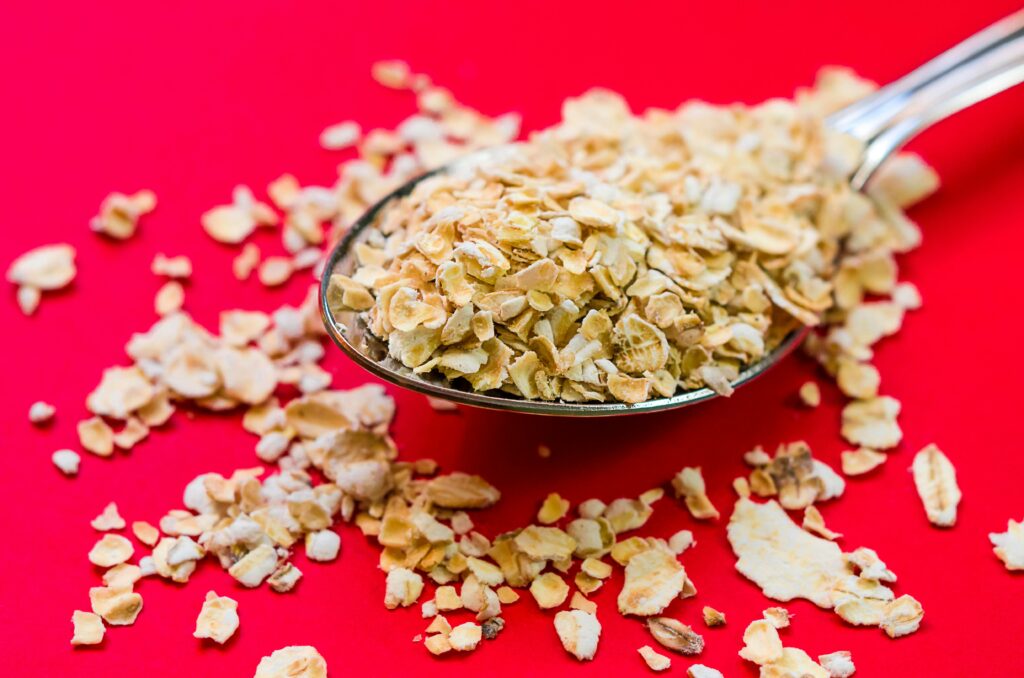
Oats are one of the most well-known sources because they contain beta-glucan, a soluble fiber associated with heart health benefits.
What Is Insoluble Fiber?
Insoluble fiber does not dissolve in water. Instead, it adds bulk to stool and helps food move through the digestive tract more efficiently.
This type of fiber is best known for supporting:
- Digestive regularity
- Healthy bowel movements
- Digestive health overall
Insoluble fiber can help support normal intestinal movement and may help reduce constipation when paired with adequate fluid intake.
Foods High in Insoluble Fiber
- Whole wheat products
- Wheat bran
- Brown rice
- Nuts and seeds
- Cauliflower
- Green beans
- Leafy greens
- Potato skins
Many plant foods contain a mix of both soluble and insoluble fiber.
Why Both Types Matter
Rather than focusing on choosing one type over the other, the goal should be including a variety of fiber-rich foods overall.
That’s because soluble and insoluble fiber work together to support:
- Gut health
- Digestive function
- Heart health
- Blood sugar regulation
- Long-term wellness
Eating a wide variety of plant foods naturally helps provide both types.
Fiber and Gut Health
Fiber is also one of the most important nutrients for the gut microbiome.
Certain fibers help nourish beneficial bacteria in the digestive tract, which can influence:
- Digestion
- Immune health
- Metabolic health
- Production of short-chain fatty acids linked to gut health
This is one reason fiber-rich diets are consistently associated with positive health outcomes.
How to Increase Fiber
One common mistake people make is dramatically increasing fiber overnight.
Doing so may lead to:
- Bloating
- Gas
- Digestive discomfort
Instead:
- Increase fiber gradually
- Drink plenty of fluids
- Spread fiber intake throughout the day
Simple ways to boost fiber include:
- Adding berries or chia seeds to yogurt
- Swapping white grains for whole grains
- Including beans in soups, tacos, or salads
- Snacking on fruit, nuts, or roasted chickpeas
- Adding vegetables to meals consistently
What About Fiber Supplements?
Fiber supplements can help fill gaps for some individuals, especially those struggling to meet needs through food alone.
Common types include:
- Psyllium husk
- Inulin
- Methylcellulose
- Wheat dextrin
Different fibers serve different purposes, which is why choosing the right type may depend on your goals.
That said, whole foods provide additional nutrients and plant compounds beyond fiber alone, so food sources should ideally remain the foundation.
The Bottom Line
Fiber is one of the most underrated nutrients for overall health — and both soluble and insoluble fiber play important roles.
Soluble fiber helps support heart health, blood sugar balance, and satiety, while insoluble fiber supports digestive regularity and gut health.
The good news? You don’t need complicated nutrition rules to get more fiber.
Focusing on more fruits, vegetables, beans, whole grains, nuts, and seeds can naturally help support healthy fiber intake — and overall wellness along with it.
