


When it comes to healthy eating, there’s one nutrition debate that comes up constantly: is fresh produce actually healthier than frozen or canned?
The short answer? Not necessarily.
Fresh, frozen, and canned fruits and vegetables can all be nutritious choices, and each has its own benefits depending on your budget, lifestyle, cooking habits, and goals.
Here’s what you really need to know.
Fresh Produce: Great — But Not Always Superior
Fresh fruits and vegetables are often viewed as the gold standard, and they absolutely can be a healthy option. They’re flavorful, versatile, and often have a crisp texture that many people prefer.
But “fresh” doesn’t always mean fresher nutritionally.
Produce can spend days — or even weeks — traveling from farms to stores before it reaches your plate. During that time, certain nutrients like vitamin C can gradually decline.
Fresh produce is healthiest when:
- It’s in season
- Consumed relatively quickly
- Stored properly
- You actually eat it before it spoils
One downside? Food waste. Fresh produce is one of the most commonly wasted foods, especially for busy households.
Frozen Produce: One of the Most Underrated Healthy Foods
Frozen fruits and vegetables are typically picked at peak ripeness and flash frozen shortly after harvesting, which helps preserve nutrients.
In many cases, frozen produce can contain nutrient levels comparable to — or even higher than — fresh produce that’s been sitting in transit or on shelves for extended periods.
Frozen produce also offers:
- Longer shelf life
- Less food waste
- Convenience
- Often lower cost
- Easy portioning for smoothies, stir-fries, soups, and side dishes
Some of the best frozen staples to keep on hand:
- Berries
- Spinach
- Broccoli
- Mixed vegetables
- Cauliflower rice
- Edamame
When shopping, look for options without added sauces, butter, cream, or excessive sodium.
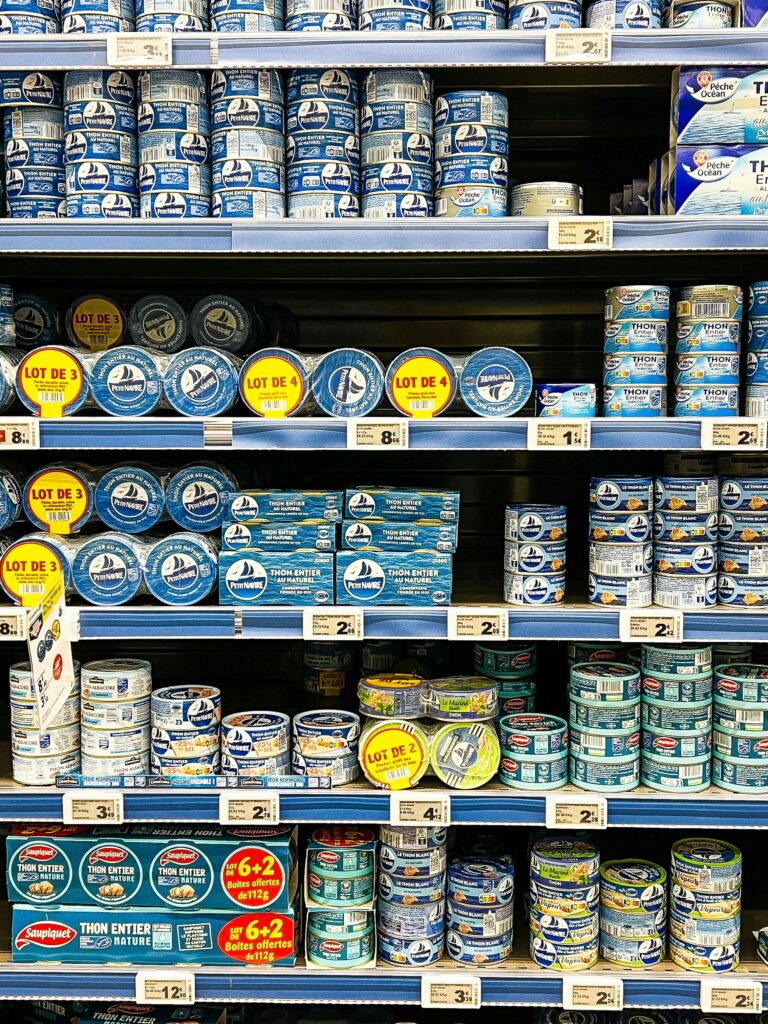
Canned Produce: Convenient and Budget-Friendly
Canned foods are another nutritious option that often gets an unfair reputation.
Canned beans, tomatoes, pumpkin, corn, tuna, salmon, and fruit can all support a balanced diet while making healthy meals easier and more affordable.
Benefits of canned foods include:
- Long shelf life
- Budget-friendly pricing
- Convenience
- Reduced prep time
- Year-round availability
That said, some canned products may contain added sodium, sugar, or syrups.
Here’s what to look for:
- “No salt added” or low-sodium vegetables and beans
- Fruit packed in water or juice instead of heavy syrup
- Simple ingredient lists when possible
Rinsing canned beans and vegetables can also help reduce sodium content.
So… Which Is Actually Healthiest?
The healthiest option is often the one that helps you consistently eat more fruits and vegetables.
Fresh, frozen, and canned all provide important nutrients like:
- Fiber
- Vitamins and minerals
- Antioxidants
- Plant compounds that support overall health
In reality, there’s no reason to choose just one.
A balanced kitchen might include:
- Fresh berries for snacks
- Frozen vegetables for quick dinners
- Canned beans for easy protein and fiber
- Fresh salad greens for lunches
- Frozen fruit for smoothies
- Canned tomatoes for soups and pasta sauces
Using a mix of all three can help make healthy eating more realistic, affordable, and sustainable.
